Leadership
Enterprise technology leadership across investment, operating models and AI-enabled delivery
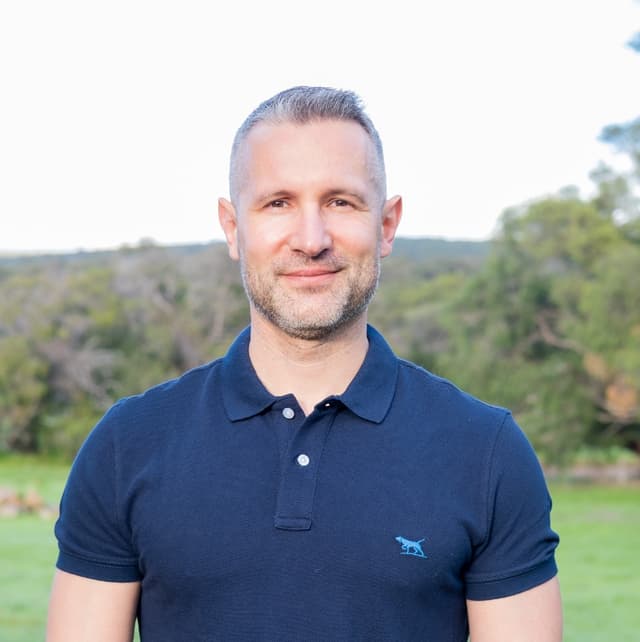
Roman Lobus
VP of Agile Product and Portfolio Management at a leading global airline
Singapore · working across Asia-Pacific and Australia
I lead change where technology investment, organisational capability and engineering execution meet.
In my current role, the work spans investment governance, product operating models, leadership capability and the changes generative AI brings to software delivery.
I work with senior business and technology leaders to connect investment priorities with operational reality: what the organisation funds, how work is structured, what evidence informs decisions and whether intended benefits arrive.
That enterprise mandate rests on two decades of technology and organisational transformation across aviation, banking, energy, mining and other industries.
Career
- 2022–nowProduct and portfolio leadership: investment governance, product operating model, AI adoption.
- 2018–2022Enterprise transformation consulting with Why Innovation!, EPiC Agile and IBM, for aviation, mining, financial services and retail clients.
- 2011–2018Transformation and business-critical consulting at HPE across banking, energy and enterprise technology.
- 2004–2011Performance engineering at Supportex, then mission-critical banking support at HP.
Mandate and accountability
- Enterprise operating environment
- Working across the airline's technology organisation and its product and delivery squads.
- Organisational leadership
- Leading a specialist function responsible for strengthening product and portfolio management practices, while developing product and delivery leadership capability across the technology organisation.
- Investment and transformation
- Shaping the technology change portfolio, and developing investment recommendations that were subsequently approved through executive governance.
- AI-enabled engineering transformation
- Leading work on AI-assisted software delivery: evaluating technology partners, changing delivery roles and responsibilities, and setting the governance responsible adoption needs.
- Executive engagement
- Working with the Group CIO and senior business and technology leadership on investment decisions, operating-model changes and organisational capability.
Where I exercise leadership
Investment decisions
I design the evidence and recommendations through which senior technology and business leaders assess whether investments should continue, change direction or stop.
My responsibility includes improving the decision process, challenging investment assumptions and making the trade-offs visible. Formal investment decisions remain with the relevant leadership and governance bodies.
Organisational design and capability
I lead changes to product and portfolio management practices, management responsibilities and the capabilities needed to operate them.
That includes developing product leaders, strengthening outcome ownership and connecting business priorities to the decisions made throughout the product lifecycle.
AI-enabled delivery transformation
I lead work on how generative AI changes software delivery: which tools are used, how work is organised, how changes are reviewed and verified, and how the organisation evaluates the resulting productivity, quality and economic effects.
That covers research, evaluation, implementation decisions, capability development and the evolution of engineering roles and controls.
Executive judgement and evidence
I use operating evidence to test assumptions that would otherwise go untested: that faster coding means faster delivery, that completing a project means realising its benefit, or that following an approved plan is still the best use of resources.
The responsibility extends past recommending change, to establishing what evidence justifies the next decision.
Selected leadership outcomes
- Developed investment recommendations that were approved through executive governance.
- Developed product management and leadership capability across the product community.
- Led the changes to roles, review and verification that AI-assisted delivery needed before wider adoption.
How I lead
- I run technology investment as a portfolio. Every initiative states the outcome it is funded for and comes back with evidence. I bring the recommendation; senior business and technology leaders decide together whether to continue, change course or stop.
- I put change where the work is constrained. Speeding up one step in an unchanged system only moves the queue, so I start where delivery actually waits.
- I develop the leaders who carry the change. As a coach and trainer I work with product leaders on outcome goals and decisions, and I lead the changes to roles and skills: who reviews, who verifies, and what that takes.
- I set controls before scale. Clear rules on what AI may access, do and approve make wider use safe, and quicker to agree.
- I count value only when it lands. Time saved is capacity. It becomes value when leaders decide what it is for and the result shows in speed to customers, quality or cost.
- I build part of what I recommend. Hands-on work shows where AI removes effort and where it quietly adds verification. A vendor demo won’t show you that.
Author, The Art of Creating Self-Organizing Teams (Apress, 2026) · The Predictability Loop (Apress, forthcoming) · Builder, Flow Observatory · ICF Professional Certified Coach · Professional Scrum Trainer
Evidence: three enterprise decisions, one operating modelSelected work
For a professional conversation or a question about the work.